 Feature
Quo (formerly OpenPhone) Review 2026: Shared Phone System for SMBs
Affiliate disclosure: this article contains affiliate links. If you buy through them we may earn a commission at no extra cost to you. It does not influence our editorial assessment.
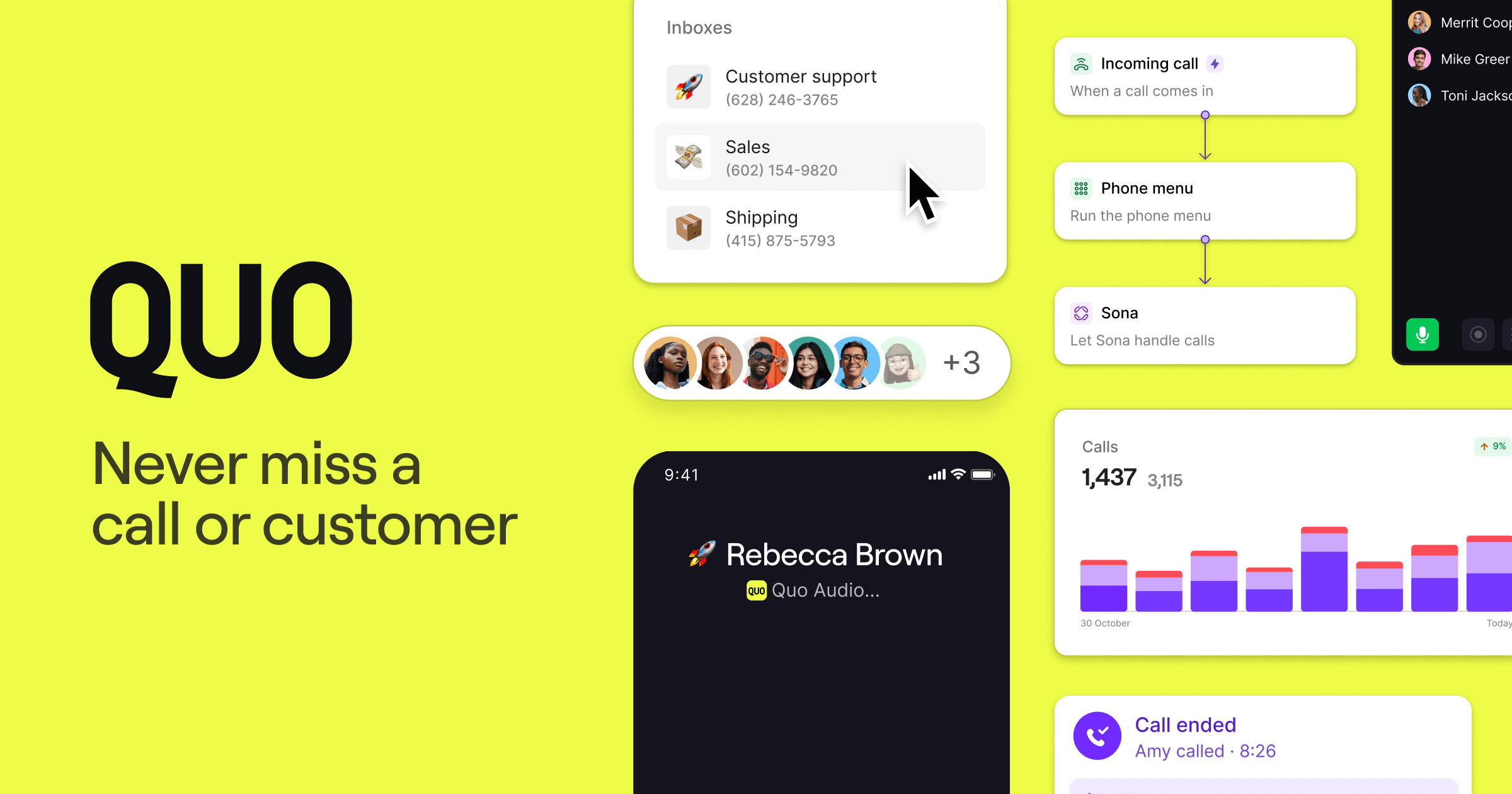
Quo (formerly OpenPhone) is a cloud-based shared phone system designed specifically for small businesses and teams that require streamlined, unified communication tools. According to the vendor, Quo enables companies to manage multiple phone lines and collaborate efficiently using a single platform that supports voice calls, texting, and various integrations with popular business tools. This makes it particularly suitable for remote or hybrid teams looking to stay connected without the need for traditional hardware or complicated setups.
The system is aimed at startups, small businesses, and customer-facing teams who want a reliable and scalable phone solution. Quo emphasizes ease of use and modern communication methods, offering mobile and desktop applications so team members can stay connected from virtually any location. As of the vendor's latest information, Quo seeks to replace conventional phone systems by providing a more flexible, cloud-native alternative that fits the needs of today’s dynamic work environments.
What is Quo?
Quo is a shared phone system that consolidates voice calls, SMS, and team collaboration features into one unified platform. It offers local and toll-free phone numbers that multiple team members can share, allowing seamless communication and collaboration without confusion over who handles which calls or messages. According to the vendor, the system supports unlimited calling and texting within the US and Canada, making it a practical choice for businesses primarily operating in these markets.
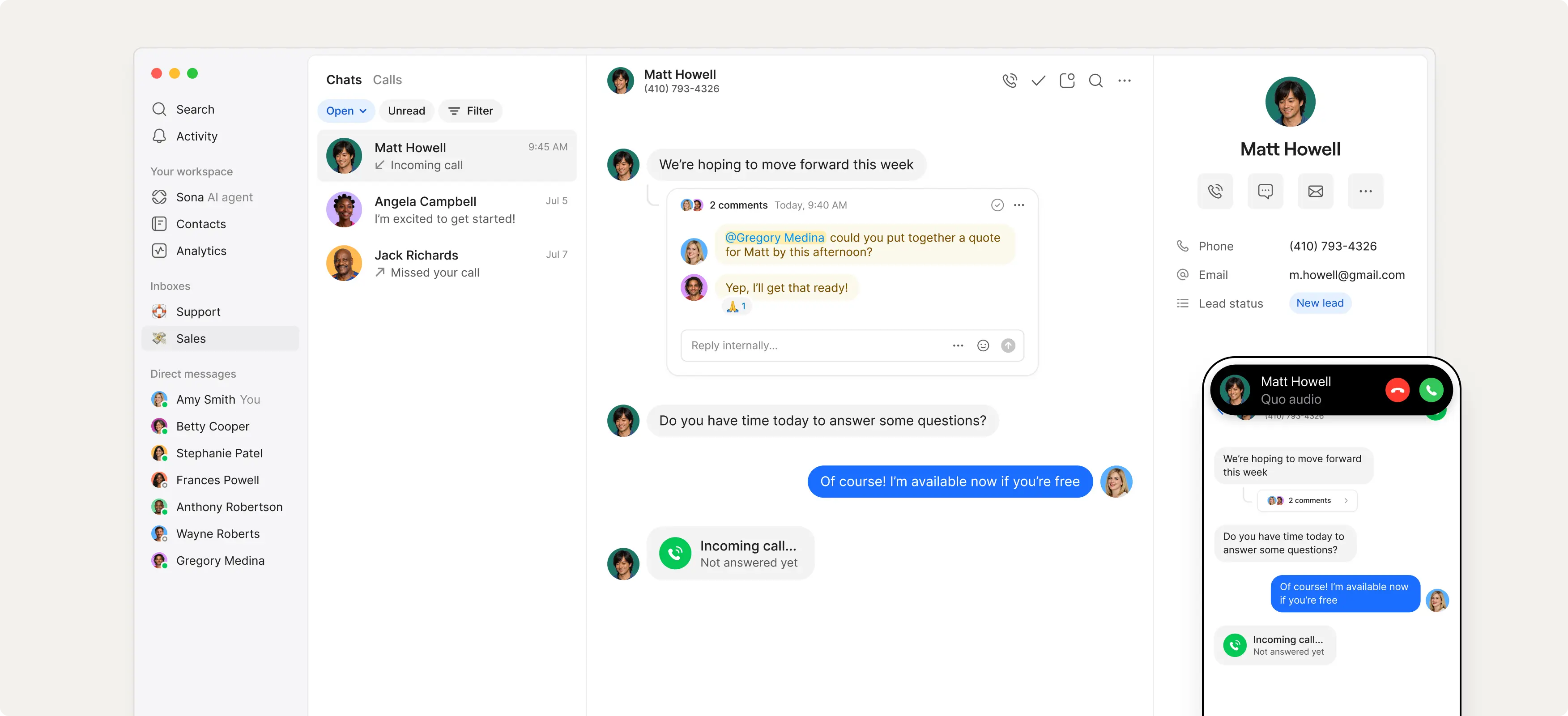
Key functionalities include call routing, voicemail transcription, and a shared inbox that collectively help teams manage customer interactions more efficiently. The system also integrates with popular CRM and productivity tools, facilitating workflow automation and centralized communication management. Because Quo is cloud-based, it eliminates the need for physical phone infrastructure, reducing upfront costs and IT complexity.
Designed with small businesses in mind, Quo supports multiple devices per user, allowing calls and texts to be handled from smartphones, desktops, or tablets. The vendor highlights a user-friendly setup and management interface, which reduces the need for dedicated IT support and makes the platform accessible even for businesses without telecom expertise. This ease of use can be especially beneficial for startups and small teams that want to focus on growth rather than managing complicated phone systems.
Key features
- Shared phone numbers: Quo allows multiple users to access the same business phone number for both calls and texts. This feature improves team collaboration and ensures customers reach the right person without needing multiple lines.

- Unlimited calling and texting: According to the vendor, unlimited domestic calls and SMS are included within the US and Canada. This helps businesses control communication costs while maintaining consistent contact with customers.
- Voicemail transcription: Voicemail messages are automatically transcribed into text, enabling quick review and follow-up without needing to listen to audio messages. This is especially useful for busy teams managing multiple communications.
- Call routing and forwarding: Quo offers intelligent call routing options that direct incoming calls to the appropriate team members based on availability, skills, or predefined schedules. Calls can also be forwarded to mobile devices or other numbers to ensure no call goes unanswered.
- Shared inbox: All messages and calls are centralized in a shared inbox, which helps teams track customer interactions and prevents communication from falling through the cracks.
- Mobile and desktop apps: Quo supports iOS, Android, macOS, and Windows devices, providing flexibility for users to make and receive calls or texts from wherever they are.
- Integrations: The platform connects with widely used CRM tools like HubSpot and communication apps such as Slack. These integrations allow businesses to automate workflows, sync contacts, and streamline customer relationship management.
- Auto-attendant: An automated answering system that provides callers with menu options to navigate to the right department or team member, improving customer experience and reducing wait times.
Each of these features is designed to enhance business communication efficiency. For example, shared numbers eliminate the confusion of personal versus business lines, while voicemail transcription saves time. Businesses should consider how each feature aligns with their communication needs and team workflows before adopting the system.
Pricing
As of the vendor's latest information, Quo offers tiered subscription plans that cater to different business sizes and needs. While specific pricing details are not provided here, the vendor’s official pricing page outlines the options available. These plans typically include a set number of phone numbers, unlimited calling and texting, and access to core features such as shared inboxes and call routing.
Additional users beyond the initial plan allotment and premium features like advanced integrations or international calling options may incur extra fees. Businesses interested in Quo should review the official pricing page to understand the full scope of costs, including any potential add-ons or usage-based charges.
The subscription model allows companies to avoid upfront hardware investments and pay for only what they need, which can be beneficial for startups and growing teams. However, transparency around pricing and what each plan includes should be carefully reviewed to ensure the selected plan fits the organization's budget and requirements.
Pros and cons
Pros:
- Simplifies team communication by enabling shared phone numbers and centralized messaging, reducing customer confusion and improving response times.
- Mobile and desktop apps provide flexibility for remote, hybrid, or on-the-go teams to stay connected without being tied to an office phone.
- Integrations with popular business tools such as HubSpot and Slack enhance productivity by syncing contacts and automating workflows.
- Voicemail transcription and advanced call routing features improve customer responsiveness and internal team efficiency.
Cons:
- Pricing details require direct consultation of the official pricing page, which may limit upfront transparency for some potential users.
- The platform primarily serves US and Canadian markets, which might restrict businesses with significant international calling needs.
- Advanced features, including integrations and international calling, may increase subscription costs, potentially impacting smaller budgets.
- Absence of physical hardware options may be a drawback for organizations that prefer traditional desk phones or on-premise systems.
These pros and cons highlight that while Quo is a flexible and modern solution, businesses should evaluate their specific communication needs and geographic coverage before committing.
Who should use it / who should not
Quo is well-suited for small businesses, startups, and customer support teams that require a cloud-based phone system with shared phone numbers and team collaboration features. It benefits organizations with remote or distributed teams needing mobile access to business communications. Companies seeking to replace legacy phone systems with a flexible, easy-to-manage solution will find Quo attractive.

On the other hand, businesses heavily reliant on international calling outside of North America or those requiring on-premise telephony hardware may find Quo less suitable. Larger enterprises with complex telecom infrastructures or specialized needs might require more advanced customization and support than Quo currently provides. Organizations should consider their scale, geographic requirements, and hardware preferences when evaluating this platform.
Alternatives to consider
- RingCentral: A comprehensive cloud phone system offering extensive international calling options and enterprise-grade features. It’s suitable for businesses needing a scalable solution beyond small or mid-sized teams.
- Grasshopper: Designed for small businesses and entrepreneurs, Grasshopper provides simple virtual phone systems with easy setup and basic features that focus on call forwarding and voicemail.
- Google Voice: Offers affordable business phone numbers integrated with Google Workspace, making it ideal for smaller teams or startups on a budget who need straightforward calling and texting capabilities.
Each alternative has its strengths and limitations. Businesses should compare features, pricing, and integrations against their specific needs to select the most appropriate solution.
FAQ
Does Quo support international calling?
Quo primarily offers unlimited calling and texting within the US and Canada. While international calling may be available, it often comes with additional fees and restrictions. Businesses with significant international communication needs should verify these options directly with the vendor.
Can I use Quo on multiple devices?
Yes, Quo supports mobile and desktop applications across iOS, Android, macOS, and Windows. This allows users to make and receive calls and texts from various devices, providing flexibility for remote or mobile teams.
Does Quo integrate with CRM systems?
According to the vendor, Quo integrates with popular CRM and productivity tools such as HubSpot and Slack. These integrations help automate workflows, sync contacts, and centralize communication for improved efficiency.
Is there a hardware requirement for Quo?
No physical hardware is required since Quo operates as a cloud-based phone system. Users access the platform through apps or web interfaces, eliminating the need for traditional desk phones or PBX systems.
Can I get local phone numbers?
Yes, Quo offers both local and toll-free phone numbers that can be shared among team members for business communications. This helps maintain a professional appearance and simplifies customer contact.
Does Quo offer voicemail transcription?
Yes, voicemail messages are transcribed into text, enabling users to quickly read messages and respond accordingly without listening to audio voicemails. This feature improves efficiency, especially for busy teams.
Verdict
Quo presents a modern, cloud-based phone system focused on small businesses and teams seeking shared phone numbers and flexible communication tools. Its mobile and desktop applications, combined with integrations and advanced call management features, support efficient customer interactions and internal collaboration. While pricing transparency and international capabilities are somewhat limited, Quo remains a strong option for North American SMBs looking to replace traditional phone systems with a unified, collaborative platform.